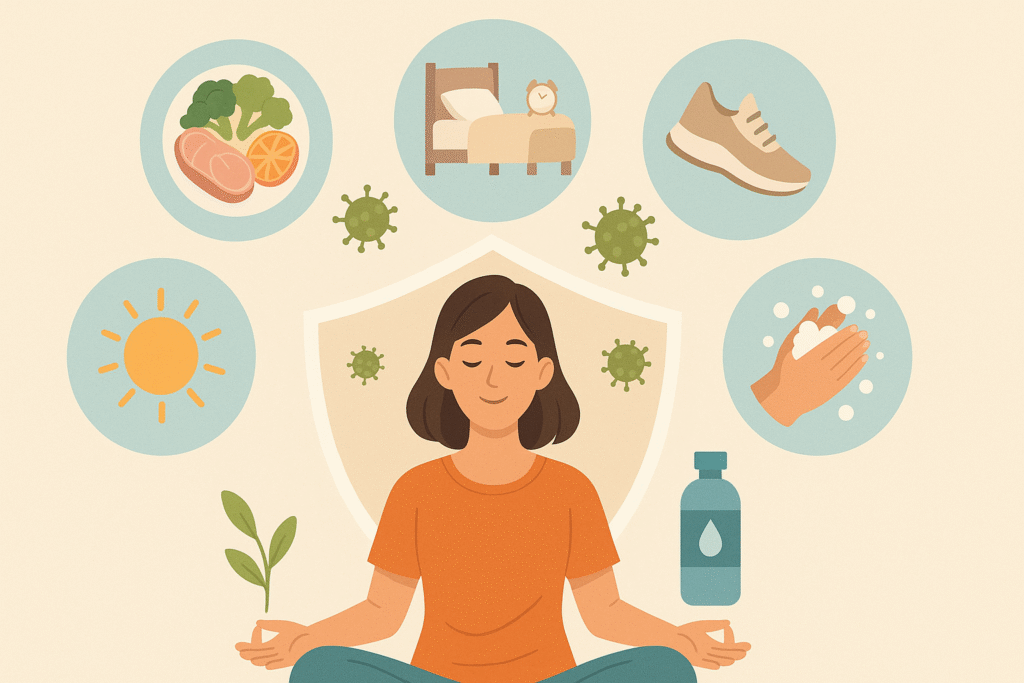
An Immunology-Based Guide for Everyday Health Management
The immune system is the body’s primary defense mechanism that protects us from external pathogens. In recent years, many people have experienced weakened immunity due to daily stress, irregular routines, and environmental changes. While immunity is partly determined by biological factors, it can be significantly improved through consistent lifestyle habits.
Below are practical, science-based strategies to strengthen your immune system.
1. Maintain a Balanced Diet
Immune cells are continuously produced and active, so adequate nutritional intake is essential for their proper function.
Key Nutrients
-
Vitamin C: Protects immune cells through antioxidant activity (citrus fruits, berries, vegetables)
-
Vitamin D: Essential for T-cell activation (salmon, eggs, sunlight exposure)
-
Zinc: Involved in immune cell production and DNA synthesis (meat, seafood, nuts)
-
Probiotics: Support immune response by maintaining gut microbiota balance (fermented foods)
Dietary Strategies
-
Include protein, vegetables, and complex carbohydrates in every meal
-
Minimize intake of processed foods and added sugars
-
Avoid overeating, which burdens digestion and weakens immune function
2. Ensure Sufficient Sleep
Sleep is essential for immune cell recovery and immune memory formation.
Studies show that adults who get 7–8 hours of quality sleep maintain stronger immune function.
Tips for Better Sleep
-
Limit screen time at least one hour before bed
-
Maintain consistent sleep and wake times
-
Avoid caffeine after 2 p.m.
-
Keep the bedroom dark, quiet, and comfortable
3. Engage in Regular Physical Activity
Appropriate physical activity promotes circulation of immune cells and helps reduce stress hormones.
Recommended Exercise
-
At least 30 minutes of moderate-intensity activity daily (walking, jogging, cycling)
-
Yoga or stretching to relieve muscle tension
-
Avoid excessive high-intensity exercise, which may temporarily suppress immunity
4. Manage Stress
Chronic stress increases cortisol levels, which suppress immune responses.
Adopting habits that help reduce mental tension directly contributes to stronger immunity.
Stress-Relief Methods
-
Meditation, deep breathing, or light outdoor walks
-
Allocate regular rest time
-
Engage in hobbies to support emotional balance
-
Manage schedules to avoid overwhelming workloads
5. Stay Hydrated
Adequate hydration protects mucous membranes and helps immune cells move efficiently throughout the body.
Adults are generally advised to drink 1.5–2 liters of water per day.
-
Drink small amounts frequently for better absorption
-
Limit caffeine and alcohol, which can cause dehydration
-
Warm or room-temperature water is absorbed more easily
6. Practice Good Hygiene
Basic hygiene habits are the most effective way to prevent pathogens from entering the body.
-
Wash hands after going outside and before eating
-
Cover coughs and sneezes with your elbow
-
Use separate personal items such as cups and towels
-
Wear a mask in crowded or poorly ventilated areas when necessary
7. Get Sunlight and Fresh Air
Sunlight plays a direct role in vitamin D synthesis.
Exposure to nature also helps stabilize the autonomic nervous system.
-
Get 10–20 minutes of sunlight daily
-
Ventilate indoor spaces every 1–2 hours
-
Take regular walks in natural environments
Conclusion
Immune strength cannot increase dramatically through short-term supplements or specific foods alone.
The most effective approach is to consistently maintain fundamental lifestyle habits—balanced nutrition, adequate sleep, regular exercise, stress management, hydration, proper hygiene, and exposure to nature.